Making automation more accessible
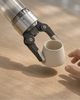
Unit is developing an affordable, end-to-end automation system that helps retailers store, pick and move products more efficiently. Together, we helped turn this complex technology into a connected product experience – from the robots on the warehouse floor to the software people use to manage them.

An automation suite for retail
Warehouse automation can be highly complex, but Unit wanted to make it more accessible to retailers and the people working with it every day. The challenge was to create a system that was compact and cost-effective, while making advanced robotics feel intuitive, approachable and easy to understand.
Designing one connected system
Working closely with the Unit team, we brought engineering, design and brand together from the outset. We shaped the robotic system, physical components and digital interfaces as one experience, while creating a visual identity built around precision, efficiency and clarity.
We designed how the system works, how it looks and how people interact with it – from the machinery moving products around the warehouse to the digital tools used to manage the operation.


A smarter face for automation
The result is a complete micro-fulfillment solution that makes warehouse automation easier to understand, use and scale. A consistent visual language connects the robots, interfaces and communications, helping Unit stand out while bringing its ambition to make smarter automation more accessible to retailers and their teams to life.


Want to know more?
Looking for more details about this case? Or maybe you have a similar challenge? Just reach out, and we'll be happy to answer any questions you might have. We're here to help.

Related work

Strauss Water
Launching a new icon for the kitchen with Strauss Water
- Industrial design & engineering
- Consumer

Bezeq
A state of the art home router for Bezeq
- Industrial design & engineering
- Consumer

Hello Heart
Designing a smart medication journey
- Research & insight
- Industrial design & engineering
- Consumer
- Healthcare

BrainQ
A giant leap in neural recovery
- Industrial design & engineering
- Healthcare

Nexar
Developing the ultimate dash cam for versatility and performance
- Industrial design & engineering
- Consumer

Aura Air
Developing the world's smartest indoor air management tool
- Industrial design & engineering
- Consumer